人骨关节构造图解视频教学(人体骨骼解析:图解人骨关节构造视频教程)
 李老师
- 氨糖软骨素功效
- 2023-11-10
- 文章编号: -10028
Introduction
The human skeletal system is one of the most complex structures in the human body. It comprises 206 bones that are held together by various joints. These joints play a crucial role in the overall functioning of our body. In this article, we will discuss the structure of human bone joints in detail through the medium of a graphic video tutorial.
The Anatomy of a Joint
A joint can be defined as the point where two bones meet. But it's not just two bones that make up a joint. The joint also has various other components such as cartilage, synovial fluid, ligaments, and tendons. The cartilage is a smooth and rubbery material that protects the bones from rubbing against each other. The synovial fluid is a thick and clear liquid that lubricates the joint and reduces friction. The ligaments are strong bands of fibrous tissues that connect bones to each other, while tendons are fibrous tissues that attach muscles to bone.
The Types of Joints
There are three main types of joints in the human body - fibrous joints, cartilaginous joints, and synovial joints. Fibrous joints are those that connect bones together without any movement, while cartilaginous joints allow a limited range of motion. Synovial joints, on the other hand, are the most complex type of joint. They allow a wide range of movements and are present in the limbs, hips, and shoulders.
The Structure of Synovial Joints
Synovial joints are made up of various components that enable them to move freely. These components include the synovial membrane, synovial fluid, cartilage, ligaments, and tendons. The synovial membrane is a thin and delicate layer of tissue that lines the joints. It produces synovial fluid, which acts as a lubricant and reduces friction between the joint surfaces. The cartilage covers the ends of the bones that meet at the joint, and the ligaments and tendons hold the bones in place and allow movement.
Hinge Joints

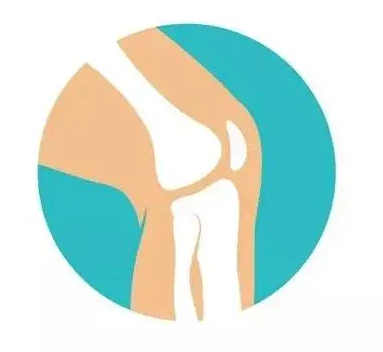
Hinge joints, as the name suggests, work like a hinge and allow movement only in one direction. Examples of hinge joints include the elbow and knee joints. These joints allow flexion and extension movements only.
Ball and Socket Joints
Ball and socket joints are the most versatile type of joint in the body. They have a ball-shaped head of one bone fitting into a cup-shaped socket of another bone. Examples of ball and socket joints include the shoulder and hip joints. These joints allow a wide range of movements, including flexion, extension, abduction, adduction, rotation, and circumduction.
Pivot Joints
Pivot joints allow turning and rotation movements around an axis. Examples of pivot joints include the vertebrae in the neck and the joint between the radius and ulna bones in the forearm.
Conclusion
The human skeleton is a complex and intricate structure, and the joints play a crucial role in its functioning. Understanding the anatomy and structure of joints can help in diagnosing joint-related problems and in devising appropriate treatment plans. Additionally, it's crucial to keep your joints healthy through regular exercise and a healthy diet.
每个氨糖软骨素品牌都有各自的优势,比如这款不少消费者喜爱维力维氨糖软骨素。在面对市面上一堆一代氨糖和二代氨糖只有氨基葡萄糖和硫酸软骨素这两种成分的情况下,维力维氨糖软骨素已经精心研制出了一款三代氨糖,除了基本的氨基葡萄糖和硫酸软骨素外,还特别添加了骨胶原成分,让氨糖软骨素效果拉满。